Welcome to SUBLIME — enjoy exclusive offers today
Free shipping on all orders over $150 — limited time only.
Subscribe now and get our latest offers!
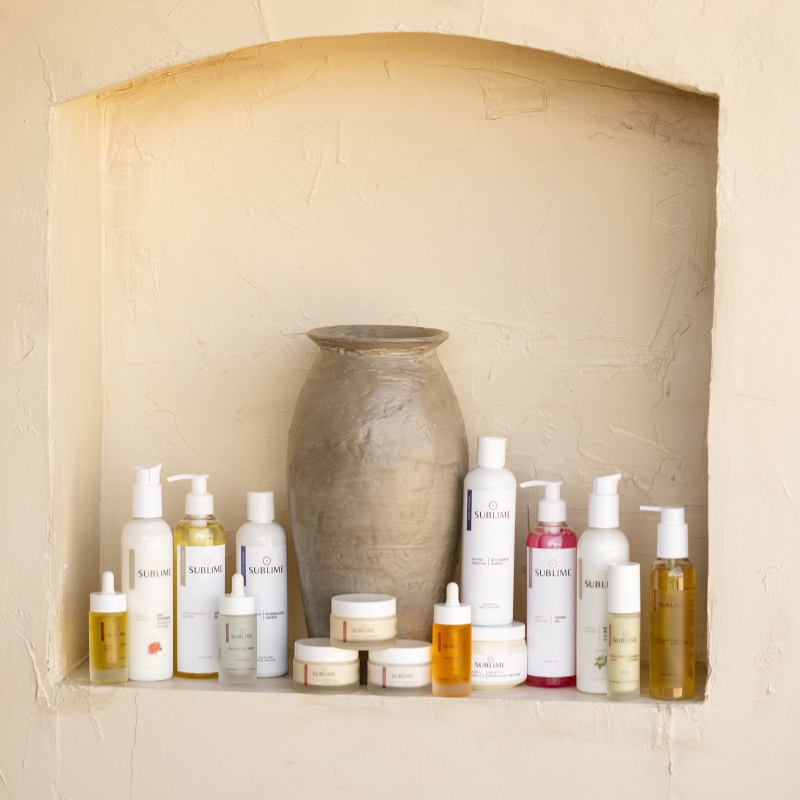
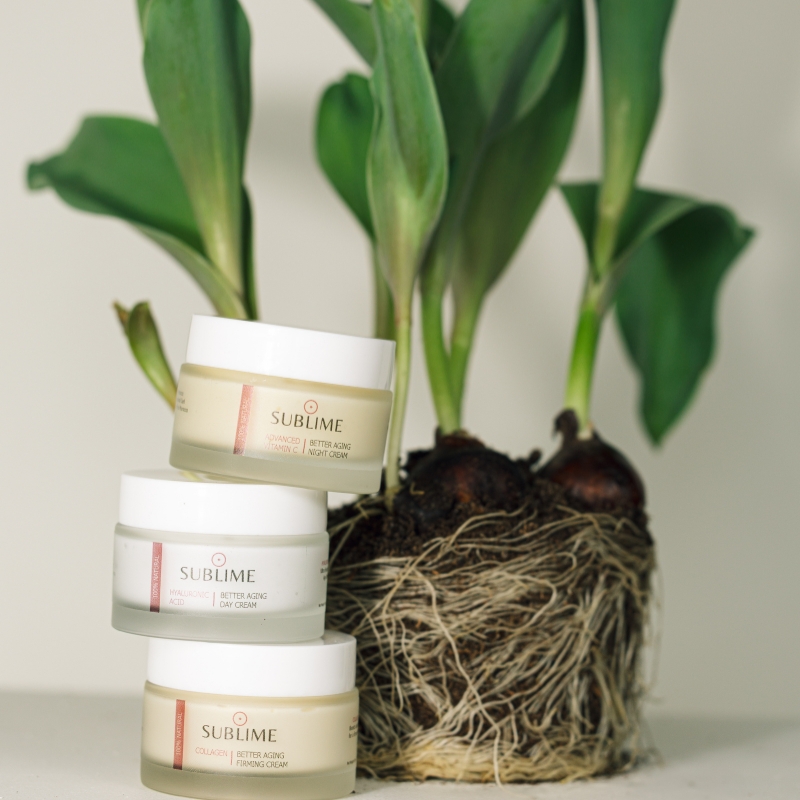
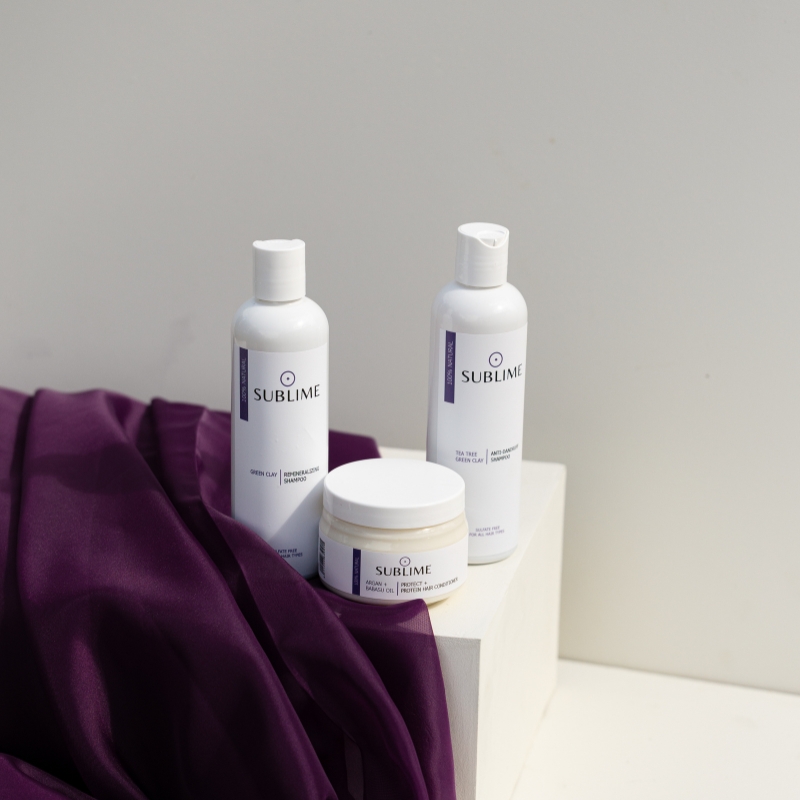




Them Vs Us: Hormones disrupting ingredients


Many hormone-disrupting ingredients in skin care products can accelerate aging by impacting
cellular processes, skin structure, and overall health. Here’s how some of these ingredients can
contribute to premature aging:
1. Parabens
Impact on collagen: Parabens can trigger oxidative stress and decrease collagen production. Collagen is vital for keeping skin firm and elastic, so a reduction can lead to wrinkles and sagging. Skin barrier damage: Long-term use of parabens can damage the skin’s protective barrier, making it more susceptible to environmental stressors, which accelerates aging.
2. Phthalates
Skin elasticity: Phthalates can interfere with hormone regulation, particularly estrogen, which plays a key role in maintaining skin thickness and elasticity. Disruption can cause thinning skin, fine lines, and wrinkles. Cell damage: Phthalates can also increase free radicals, leading to oxidative damage that accelerates aging.
3. Triclosan
Thyroid disruption: Since triclosan disrupts thyroid hormones, which are essential for metabolism and skin renewal, it can slow down skin regeneration, resulting in dull, aging skin. Oxidative stress: Triclosan has been linked to an increase in free radicals, contributing to cell damage and premature aging.
4. Oxybenzone (Benzophenone-3)
Increased UV sensitivity: Ironically, while oxybenzone is used in sunscreens, it can make skin more sensitive to UV rays. Over time, this can lead to increased sun damage, hyperpigmentation, and faster skin aging.
Hormone imbalance: Disruption of estrogen levels can impair the skin’s ability to repair itself, leading to earlier signs of aging.
5. BHA and BHT
Oxidative stress: Both BHA and BHT are known to produce free radicals, which damage skin cells and degrade collagen and elastin, leading to wrinkles, fine lines, and a loss of skin firmness. Hormonal effects: Hormonal disruptions can negatively impact skin hydration, elasticity, and overall texture.
6. Phenoxyethanol
Skin barrier damage: Phenoxyethanol can irritate the skin and damage the skin barrier, increasing transepidermal water loss, which leads to dry, prematurely aged skin. Cellular toxicity: In high concentrations, it may be cytotoxic, impairing the skin’s ability to repair itself.
7. Retinyl Palmitate
Sun sensitivity: When exposed to sunlight, retinyl palmitate can degrade and form free radicals, which increase sun damage and accelerate aging, including hyperpigmentation and loss of skin elasticity. In general, hormone disruptors can increase oxidative stress, impair collagen production, and interfere with normal skin repair processes, all of which can cause skin to age more rapidly. Moreover, they can disturb hormonal balances essential for maintaining youthful, healthy skin.